Quick answer
The most commonly reported effects are drowsiness, stomach upset and loose stools, usually mild and often solved by taking it with food. Ashwagandha is not suitable in pregnancy or breastfeeding, and needs medical advice first if you have thyroid disease, an autoimmune condition, or take sedatives, thyroid, blood pressure or diabetes medication. Rare cases of liver injury have been reported in the literature, so anything like persistent nausea, dark urine or yellowing skin means stopping and seeking medical help.
Commonly reported effects
In placebo-controlled trials these are usually mild and settle when the dose is reduced or stopped.
- Drowsiness or grogginess, especially at higher doses.
- Digestive upset, loose stools or nausea, more likely on an empty stomach.
- Headache.
- Vivid dreams, reported occasionally by people taking it at night.
Interactions to check
This is not a complete list. If you take any prescription medicine, ask your GP or pharmacist before starting an ashwagandha supplement.
- Sedatives, sleeping tablets and alcohol — the drowsiness effect can add up.
- Thyroid medication — ashwagandha may affect thyroid hormone levels.
- Blood-pressure and diabetes medication — potential additive effects.
- Immunosuppressants — discuss with your specialist before use.
Who should avoid it
- Anyone under 18.
- Women who are pregnant or breastfeeding.
- Anyone with an autoimmune or thyroid condition, without medical advice.
- Anyone with existing liver disease.
- Anyone scheduled for surgery — tell your clinician what you take.
How to reduce the risk
Take it with food, stay at the labelled dose, choose a branded standardised root extract from a seller who tests batches, and do not stack multiple products containing ashwagandha at once.
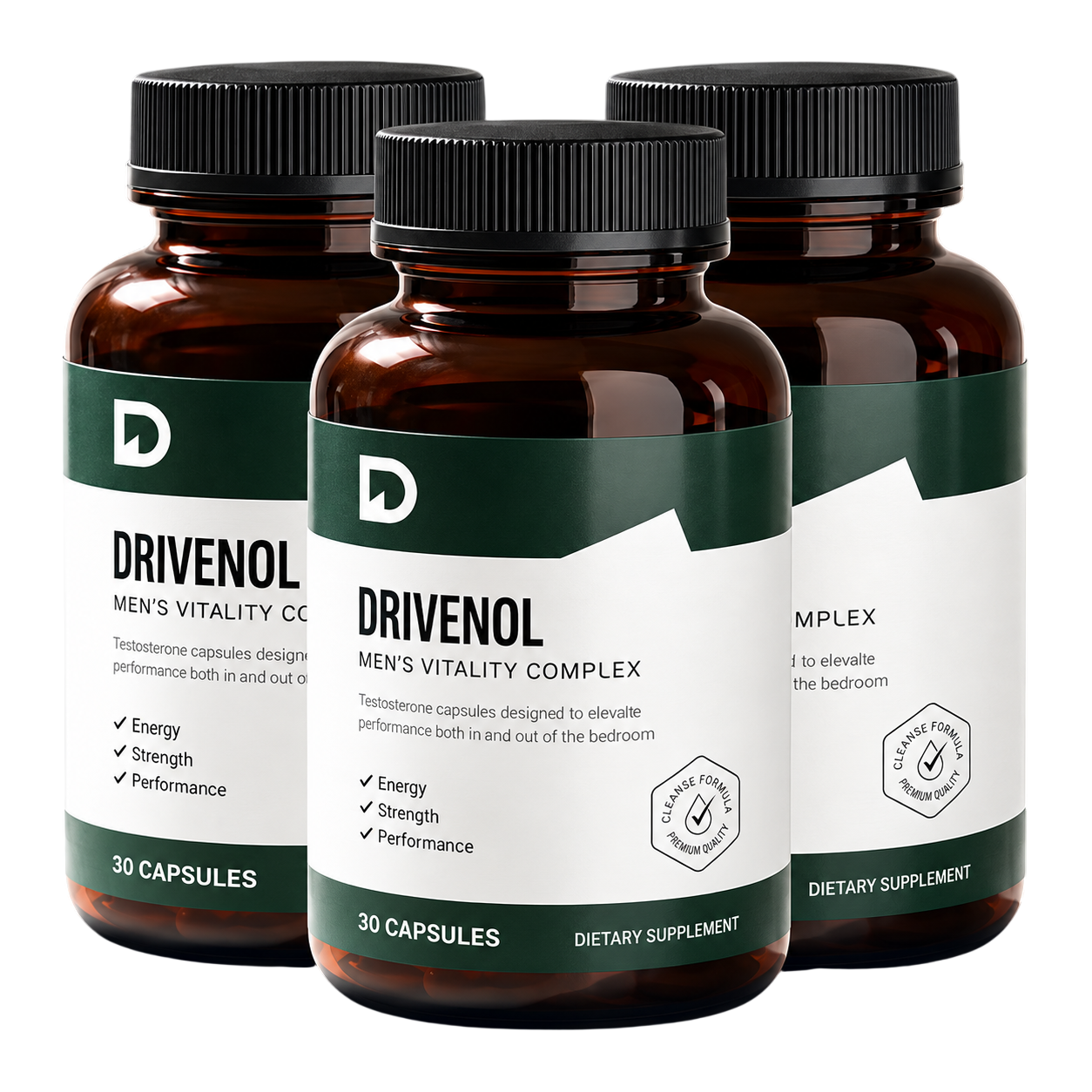
Drivenol uses KSM-66 root extract at a stated amount printed on the label, in a one-a-day capsule, so it is easy to know exactly what you are taking.
Reported effects at a glance
| Effect | How common | Usual fix |
|---|---|---|
| Drowsiness | Common | Move the dose to the evening |
| Stomach upset or loose stools | Common early on | Take with food |
| Headache | Uncommon | Review other supplements and caffeine |
| Vivid dreams | Occasional | Usually settles |
| Liver-related symptoms | Rare but serious | Stop and see a doctor |
Medication interactions to check
- Thyroid medication — ashwagandha may affect thyroid hormone levels.
- Sedatives and sleep medication — additive drowsiness.
- Blood pressure medication.
- Diabetes medication, because of possible blood sugar effects.
- Immunosuppressants, including after transplant, and in autoimmune disease.
This is a pharmacist question, and it takes five minutes. Do it before the first capsule rather than after a problem.
Liver safety, stated plainly
There have been published case reports of liver injury associated with ashwagandha supplements. They are rare against very wide use, and in several cases the products involved were unverified or multi-ingredient, but the reports are real and should not be waved away by anyone selling the ingredient.
The practical response: use a named, specified extract from a traceable source, stay at the labelled dose, do not stack multiple ashwagandha products, and stop immediately if you develop persistent nausea, abdominal pain, dark urine or yellowing of the skin or eyes.
Who should avoid it altogether
- Anyone under 18.
- Women who are pregnant, trying to conceive or breastfeeding.
- Anyone with an autoimmune condition, unless a clinician agrees.
- Anyone with existing liver disease.
- Anyone scheduled for surgery within two weeks, because of sedative effects.
Common questions
Sources
Where this page refers to research, guidance or consumer rules, these are the references used. We link to the source so you can read it yourself.
This page is general information about food supplements and is not medical advice. Drivenol is a food supplement and is not intended to diagnose, treat, cure or prevent any disease. If you have a health concern, or you take prescription medication, speak to your GP or pharmacist.