
Ingredient guide
KSM-66 Ashwagandha: the branded extract, explained
Not all ashwagandha is the same. Here is what the KSM-66 name actually signifies, what the trials examined, and how to use it sensibly.
Ashwagandha, briefly
Ashwagandha (Withania somnifera) is a shrub used in Ayurvedic practice for centuries, usually classed as an adaptogen — a loose term for plants traditionally used to help the body handle stress. Interest in it in the UK has grown sharply over the last decade, and it now appears in everything from capsules to coffee.
What the KSM-66 label means
KSM-66 is a specific commercial extract, not a generic term. Three things distinguish it:
- Root only. Leaf material is cheaper and has a different compound profile. KSM-66 uses root.
- Standardised. The extract is produced to a defined withanolide content, so one batch is comparable to the next.
- Water-based extraction. No alcohol or synthetic solvents in the process.
None of that guarantees a result. What it guarantees is that you know what you are swallowing — which is more than can be said for a lot of "ashwagandha 1000mg" products where the number refers to raw powder of unknown strength.
What the trials looked at
Placebo-controlled studies using KSM-66 in adults have examined perceived stress scores, cortisol levels, sleep quality, and measures of strength and recovery in people who train. Effects reported in trials are modest and vary between studies and between individuals. As with all food supplements, none of this amounts to a treatment for a medical condition.
Dosage and timing
The common research range is 300–600mg per day of the standardised extract. Some protocols split the dose; many use a single daily dose for simplicity. Ashwagandha is generally taken continuously for a period of weeks rather than as an on-demand supplement, since the measured effects in trials build over time.
Safety
Most people tolerate it well. Mild stomach upset and drowsiness are the usual complaints. Avoid it in pregnancy and while breastfeeding. Speak to a doctor first if you have a thyroid condition, an autoimmune condition, or take sedatives, thyroid medication or immunosuppressants. There have been rare reports of liver injury associated with ashwagandha products — stop and seek medical advice if you notice jaundice, dark urine or unexplained abdominal pain.
KSM-66 in Drivenol
Drivenol uses KSM-66 rather than unbranded ashwagandha, precisely because the extract is defined. It sits alongside Tongkat Ali root extract, boron and Epimedium extract in the full formula.
Common questions
This page is general information about food supplements and is not medical advice. Drivenol is a food supplement and is not intended to diagnose, treat, cure or prevent any disease. If you have a health concern, or you take prescription medication, speak to your GP or pharmacist.
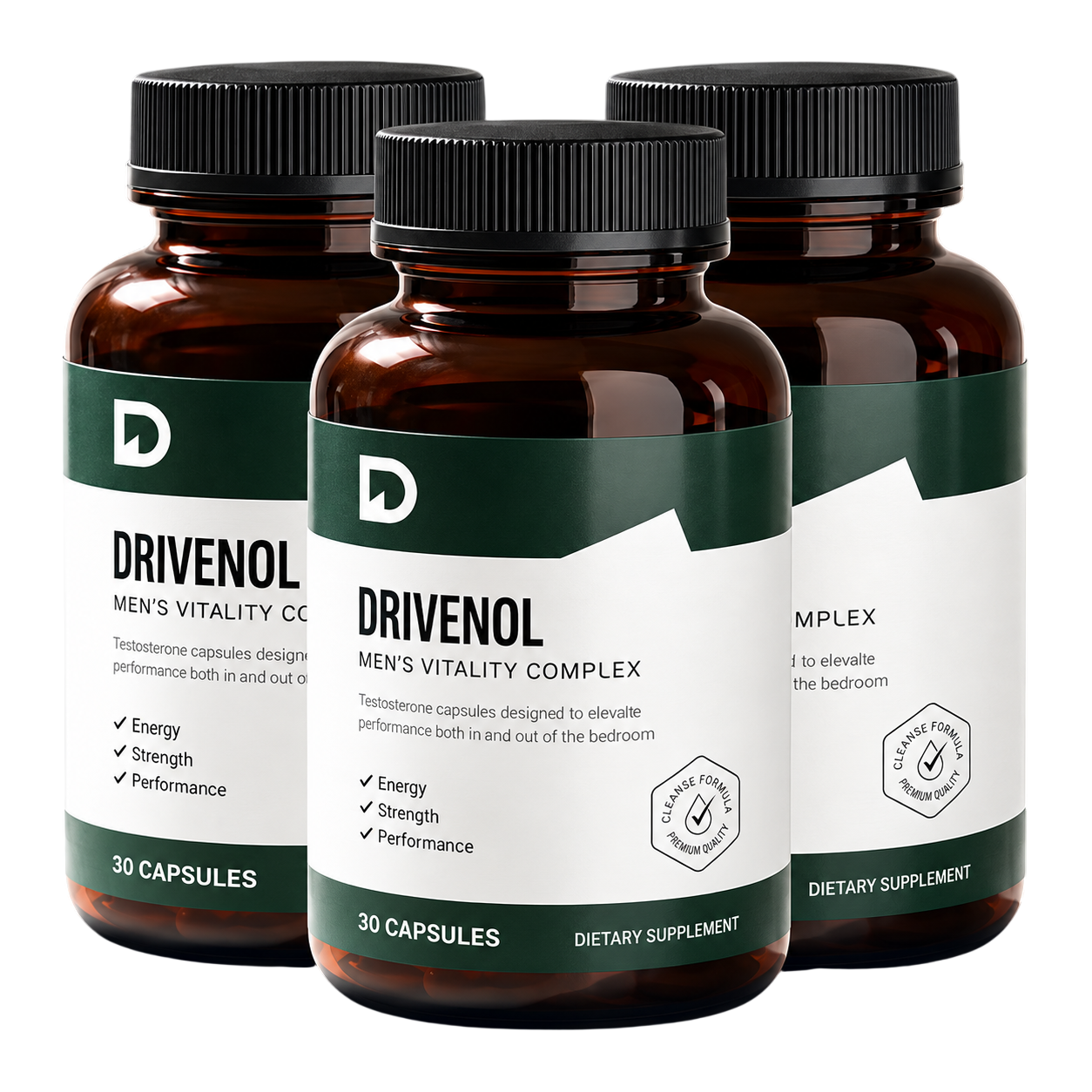
Ready to try Drivenol?
One capsule a day. Free tracked UK delivery on the two and three bottle bundles, and a 30-day money-back guarantee on every order.
3 bottles £94.95 · £31.65 per bottle · free delivery