Quick answer
Only a few things reliably change how energetic you feel: sleep, iron or vitamin D if you are deficient, caffeine in the short term, and creatine for training capacity. Botanical 'energy' blends are far less certain. Persistent tiredness that sleep does not fix is a GP conversation, not a supplement decision.
Rule out the boring explanations first
Persistent tiredness in men is most often caused by short sleep, high stress, alcohol, being sedentary, or an untreated issue such as iron deficiency, an underactive thyroid or sleep apnoea. No supplement outperforms fixing one of those.
If your fatigue is new, severe or accompanied by other symptoms, see your GP before buying anything.
What has evidence
- Caffeine — reliable short-term alertness and performance. Best used deliberately, not all day.
- Creatine — improves repeated high-intensity effort; the best-evidenced supplement for training stamina.
- Iron, B12, vitamin D — dramatic when you are deficient, negligible when you are not. Test rather than guess.
- Ashwagandha — studied for perceived stress, sleep quality and stress-related fatigue rather than as a stimulant.
- Beetroot or nitrate supplements — modest endurance evidence in trained athletes.
What to be sceptical about
- 'Energy blends' that are caffeine plus B vitamins at inflated prices.
- B-vitamin megadoses in people who eat normally.
- Proprietary blends with no amounts listed.
- Anything promising all-day energy with no crash — that is a marketing claim, not a mechanism.
Where a men's botanical formula fits
Ingredients like Tongkat Ali and KSM-66 Ashwagandha are not stimulants and will not feel like a coffee. They are taken daily and studied over weeks, with research covering stress, fatigue and self-reported energy. That suits someone whose problem is a slow grind rather than a single flat afternoon.
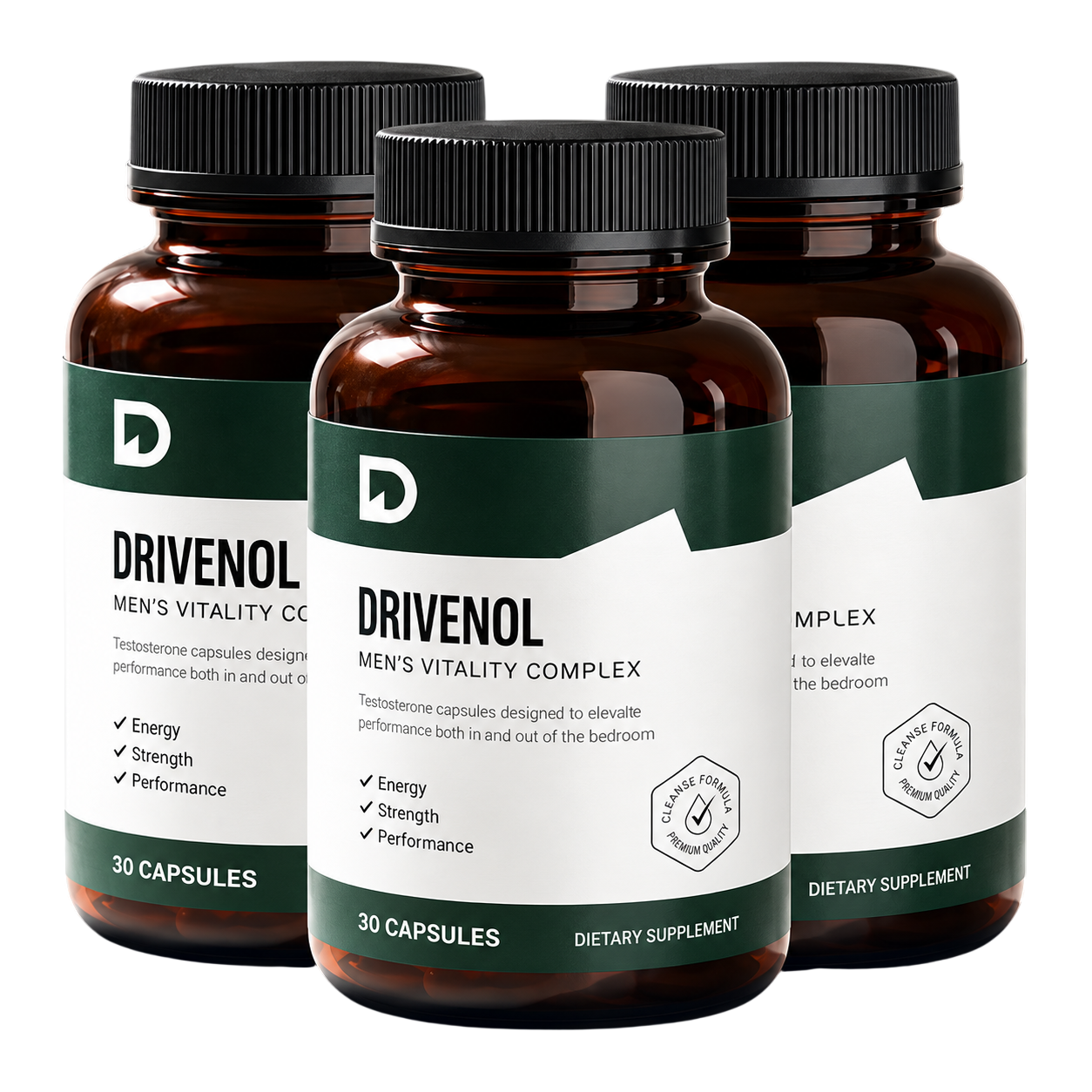
Drivenol is that kind of product: one capsule each morning, no caffeine, no stimulants, judged over a month rather than an hour.
What works, what might, what does not
| Option | Evidence | Realistic effect |
|---|---|---|
| Fixing sleep | Strongest of all | Large |
| Treating iron deficiency | Strong where present | Large, if you were deficient |
| Vitamin D in winter | Strong where deficient | Moderate |
| Caffeine | Strong, short term | Real but temporary; tolerance builds |
| Creatine | Strong for repeated efforts | Training capacity, not wakefulness |
| B vitamins | Only if deficient | None if you are not |
| Botanical blends | Mixed and limited | Modest at best |
Medical causes worth ruling out
- Iron deficiency anaemia.
- Underactive thyroid.
- Type 2 diabetes.
- Sleep apnoea — especially with snoring and daytime sleepiness.
- Depression, which very often presents as fatigue.
- Side effects of prescription medication.
A GP can check most of these with one blood test and a conversation. Tiredness lasting more than a few weeks deserves that.
A two-week plan before you buy anything
- Fix a wake time and keep it, including weekends.
- Get daylight in the first hour of the day.
- Cut caffeine after 2pm.
- Cut alcohol on at least five nights a week.
- Add two short resistance sessions, even 20 minutes each.
- Eat protein at breakfast rather than sugar alone.
If you feel no different after two honest weeks of that, a supplement was never going to be the answer on its own — and it is time to see a GP.
Common questions
Sources
Where this page refers to research, guidance or consumer rules, these are the references used. We link to the source so you can read it yourself.
This page is general information about food supplements and is not medical advice. Drivenol is a food supplement and is not intended to diagnose, treat, cure or prevent any disease. If you have a health concern, or you take prescription medication, speak to your GP or pharmacist.