Quick answer
The symptoms most associated with low testosterone in men are reduced sex drive, loss of morning erections, persistent fatigue, low mood, poor concentration, loss of muscle and increased body fat. They overlap heavily with poor sleep, depression, thyroid problems and diabetes, which is exactly why guessing is a bad idea. The only way to know is a morning blood test arranged by your GP.
The symptoms most often described
- Reduced sex drive and fewer spontaneous erections.
- Persistent fatigue that sleep does not fix.
- Low mood, irritability or flatness.
- Difficulty concentrating.
- Loss of muscle mass or strength, and increased body fat around the middle.
- Reduced body hair, and in some cases hot flushes or sweats.
What else causes exactly the same symptoms
Chronic sleep debt, high sustained stress, depression, an underactive thyroid, iron deficiency, type 2 diabetes, heavy alcohol use, and simply being significantly overweight all produce a near-identical picture.
Several of them also genuinely lower testosterone, which is why treating the underlying cause often matters more than treating the hormone.
How testing works in the UK
Testosterone is measured with a blood test taken in the morning, usually before 11am, because levels fall through the day. A single low reading is not a diagnosis: guidelines recommend repeating it, and measuring related hormones to work out the cause.
You can ask your GP, who can also check thyroid function, iron, blood glucose and other likely explanations at the same time. Private testing is available but a result without clinical context is of limited use — and if it is abnormal you will end up back at your GP anyway.
When to see a doctor rather than buy something
- Symptoms that have persisted for months rather than weeks.
- Loss of libido combined with erectile difficulties.
- Unexplained weight change, excessive thirst or unusual tiredness.
- Low mood you would describe as depression.
- Any concern about fertility.
Where a supplement honestly fits
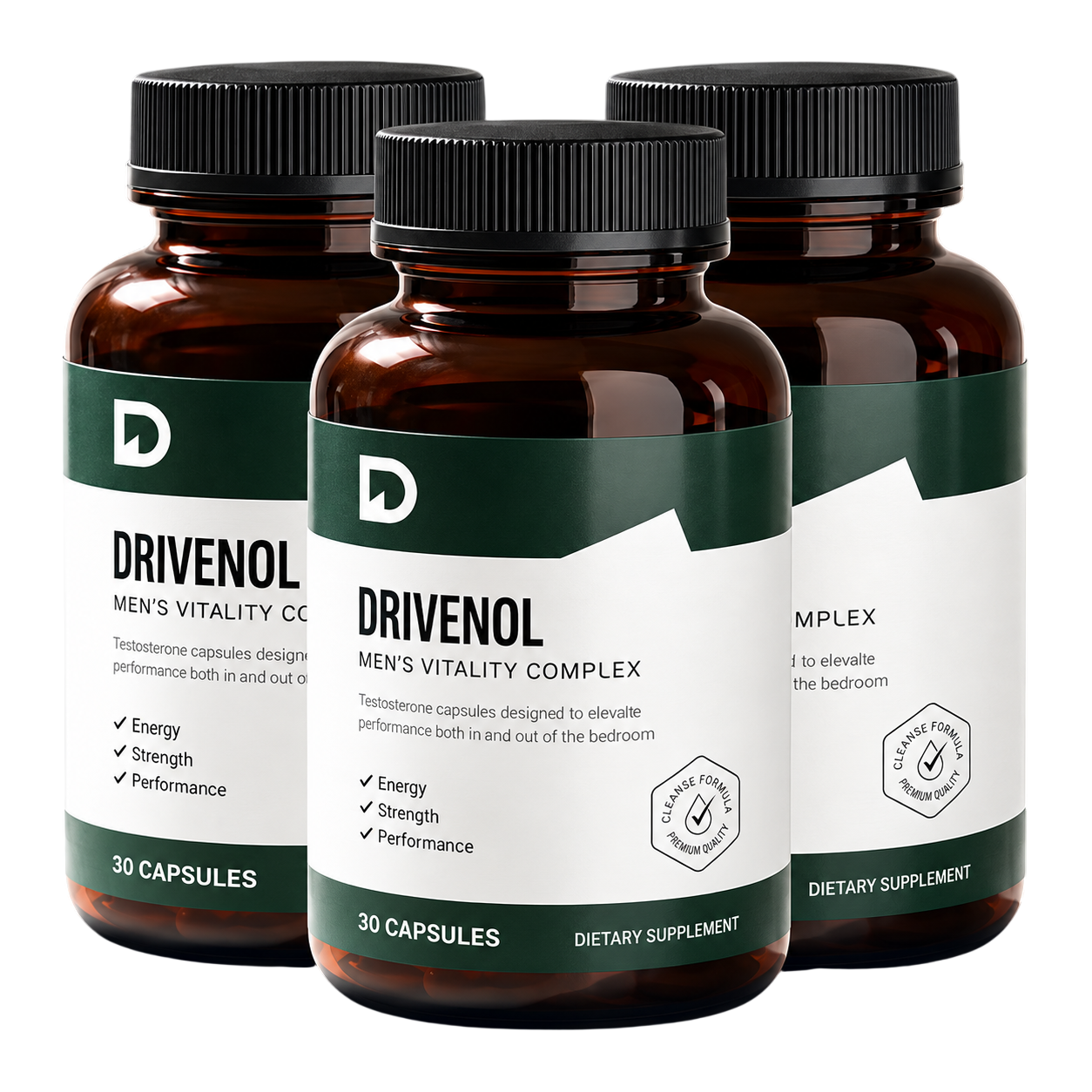
Nowhere near diagnosis. Drivenol is a food supplement for healthy adult men who want a daily formula built around researched ingredients — not a test, not a treatment, and not a reason to delay seeing your GP. If your symptoms are persistent, get them checked first.
Symptoms and their common alternative explanations
| Symptom | Could be low testosterone | Also commonly caused by |
|---|---|---|
| Persistent tiredness | Yes | Poor sleep, anaemia, thyroid, stress |
| Low sex drive | Yes | Depression, relationship stress, medication |
| Loss of morning erections | Yes | Cardiovascular issues, sleep apnoea |
| Low mood, poor focus | Yes | Depression, burnout, alcohol |
| Muscle loss, fat gain | Yes | Inactivity, under-eating protein, ageing |
| Hot flushes, sweats | Yes | Thyroid, infection, medication |
What a GP appointment actually involves
- A conversation about symptoms, sleep, alcohol, medication and mood.
- A blood test taken in the morning, when testosterone is highest.
- Usually a second test on another morning, because single readings vary.
- Related checks — thyroid, iron, blood sugar — because these overlap.
- If levels are genuinely low, further tests to look for a cause before treatment.
None of this is invasive or difficult, and it replaces months of guessing with an answer.
Symptoms that need urgent attention
- Sudden, severe headaches with vision changes.
- Breast tissue changes or discharge.
- Testicular lump, pain or noticeable shrinkage.
- Rapid unexplained weight loss.
- Thoughts of self-harm — contact your GP urgently or call 111.
What helps while you wait for answers
Sleep length and regularity, resistance training twice a week, moderate alcohol and getting body weight into a healthy range are the levers with the strongest evidence behind them. They also improve most of the alternative causes in the table above, so the effort is never wasted.
A food supplement is not a diagnosis and cannot substitute for one. If you choose to take one, do it alongside getting checked, not instead.
Common questions
Sources
Where this page refers to research, guidance or consumer rules, these are the references used. We link to the source so you can read it yourself.
This page is general information about food supplements and is not medical advice. Drivenol is a food supplement and is not intended to diagnose, treat, cure or prevent any disease. If you have a health concern, or you take prescription medication, speak to your GP or pharmacist.