Quick answer
For most men in their forties the useful shortlist is short: vitamin D through the UK winter, enough protein, omega-3 if you rarely eat oily fish, and creatine if you train. Beyond that, ingredients such as KSM-66 Ashwagandha are reasonably studied around stress and sleep. Everything else is optional, and none of it outweighs sleep, training and alcohol intake.
Start with vitamin D
UK government advice is that adults consider a daily 10 microgram vitamin D supplement between October and early March, because sunlight is too weak at our latitude to make enough. This is the single most defensible supplement most British men can take, and it costs pennies.
Then creatine, if you train at all
Creatine monohydrate is the most studied sports supplement in existence, with a strong record for strength and lean mass alongside resistance training, and growing interest in cognitive and ageing-related outcomes. Three to five grams a day, no loading needed, and it is one of the cheapest things on the shelf.
Reasonable additions
- Omega-3 — worth it if you rarely eat oily fish.
- Magnesium — commonly under-consumed; some people find it helps sleep quality.
- Zinc — important, but supplement only if your intake is genuinely low; high doses cause problems.
- A basic multivitamin — insurance rather than a strategy.
Where a men's formula fits
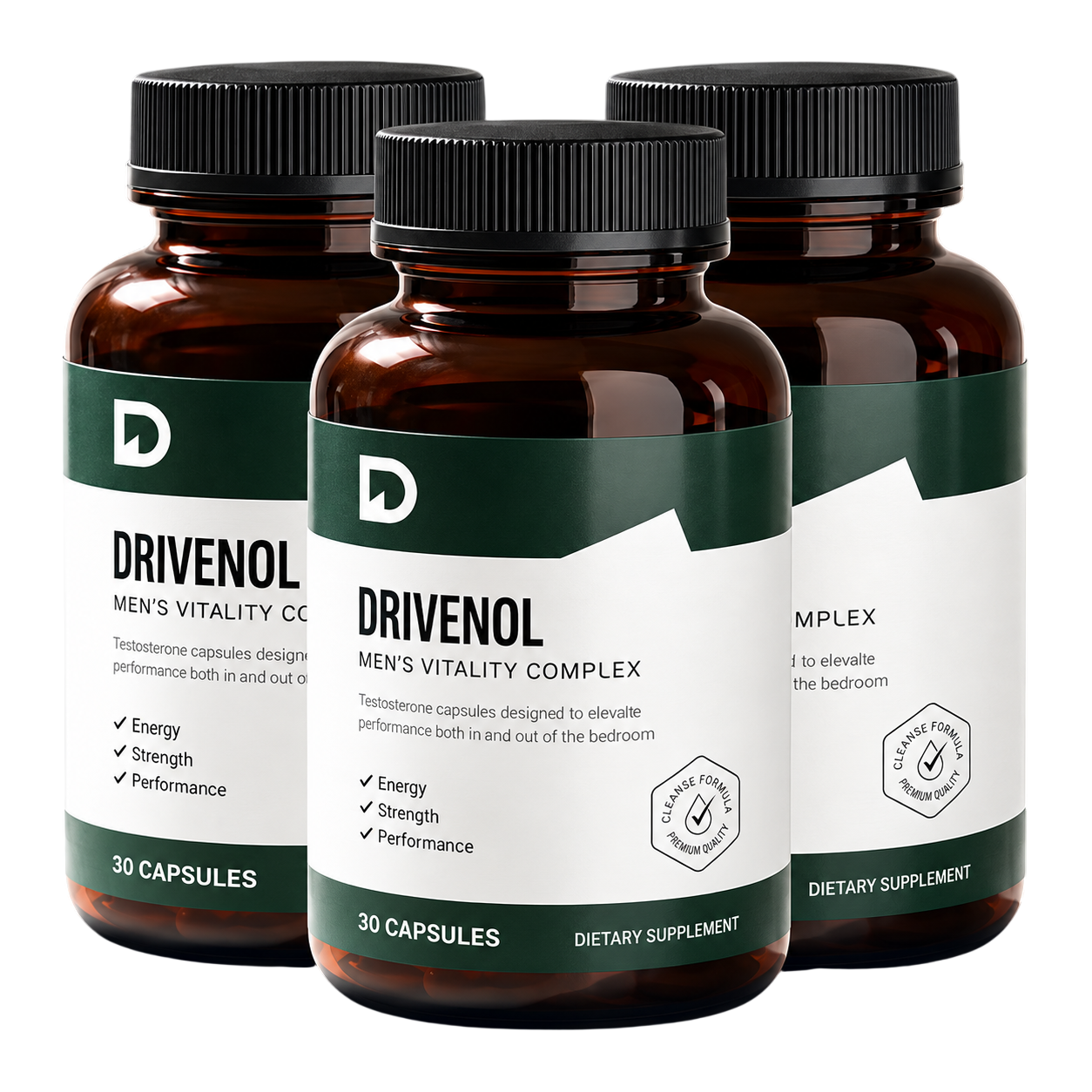
Once the basics are covered, a botanical men's formula is a reasonable next step if what you want is support around energy, stress and vitality. This is where Tongkat Ali and ashwagandha live. Treat it as an addition to sleep, training and bodyweight rather than a way to avoid them.
What to skip
- Twenty-ingredient 'test boosters' with proprietary blends.
- Tribulus, which has repeatedly failed to show hormonal effects in human trials.
- Detox teas, and anything sold with a countdown timer.
- Any subscription you did not knowingly agree to.
The shortlist, ranked by how well it stands up
| Supplement | Why | Priority |
|---|---|---|
| Vitamin D | UK sunlight is inadequate October to March | High |
| Protein (food or powder) | Muscle maintenance becomes harder | High |
| Creatine monohydrate | The best-evidenced training supplement there is | High if you train |
| Omega-3 | If you eat oily fish less than twice a week | Medium |
| Magnesium | If intake is poor or sleep is disturbed | Medium |
| Ashwagandha (KSM-66) | Stress and sleep measures | Optional |
| Tongkat Ali | Male wellbeing and hormone measures | Optional |
| Tribulus, DAA | Repeatedly unsupported | Skip |
What actually changes in your forties
Muscle mass declines gradually without resistance training, recovery takes longer, sleep quality often deteriorates, and body composition shifts even when weight on the scale does not. Testosterone drifts down slowly, but far less dramatically than supplement marketing suggests.
The practical consequence is that training and protein become more important than they were at 25, not less — and that is where the effort should go before any capsule.
A realistic weekly baseline
- Two resistance sessions, whole-body, progressive.
- 150 minutes of moderate activity across the week.
- Seven to nine hours of sleep, with a consistent wake time.
- Protein at most meals.
- Alcohol kept genuinely moderate — it hits sleep and recovery hardest.
How to trial anything sensibly
- Change one thing at a time.
- Give it eight weeks.
- Keep sleep and training steady while you assess.
- Write down what you are judging before you start.
- Stop anything you cannot tell you are taking.
Common questions
Sources
Where this page refers to research, guidance or consumer rules, these are the references used. We link to the source so you can read it yourself.
This page is general information about food supplements and is not medical advice. Drivenol is a food supplement and is not intended to diagnose, treat, cure or prevent any disease. If you have a health concern, or you take prescription medication, speak to your GP or pharmacist.