Quick answer
Horny goat weed (Epimedium) is sold legally in the UK as a food supplement, usually standardised to icariin. Human evidence is limited — most of what is cited is laboratory or animal work — so claims about it should be treated cautiously. It is not a treatment for erectile dysfunction, which has effective prescription options worth discussing with a GP.
What it is
Epimedium is a flowering plant used in traditional Chinese herbal practice, where preparations of the leaf have a long history. In supplements it appears as an extract standardised to icariin, its most discussed compound.
The English nickname comes from a folk story about goats. It is a good name and terrible evidence.
What the research shows
Icariin has been studied extensively in the laboratory and in animals, where researchers have examined effects on blood-flow pathways and related mechanisms. That work is genuinely interesting, and it is also the reason the ingredient is often marketed with strong implications.
Controlled human trials are much thinner. There is not a body of good-quality evidence in men that supports the claims commonly made for it, and in the UK nobody may lawfully claim it treats erectile dysfunction or any other condition.
Dosage and forms
Products vary widely: raw leaf powder, extracts standardised to 10%, 20% or higher icariin, and blends where it is one of several ingredients. Because human dosing research is limited, there is no consensus dose — follow the label of the product you buy.
A higher icariin percentage is not automatically better; it simply tells you the material is more concentrated.
Side effects and cautions
- Occasionally reported: dizziness, dry mouth, nausea, a fast heartbeat.
- Avoid combining with nitrate medication for angina or heart conditions.
- Caution with blood-pressure and blood-thinning medication.
- Not for under-18s, or for women who are pregnant or breastfeeding.
- Be wary of any 'natural Viagra' product — this category has a history of being spiked with undeclared prescription drugs.
Why Drivenol includes it — and how we describe it
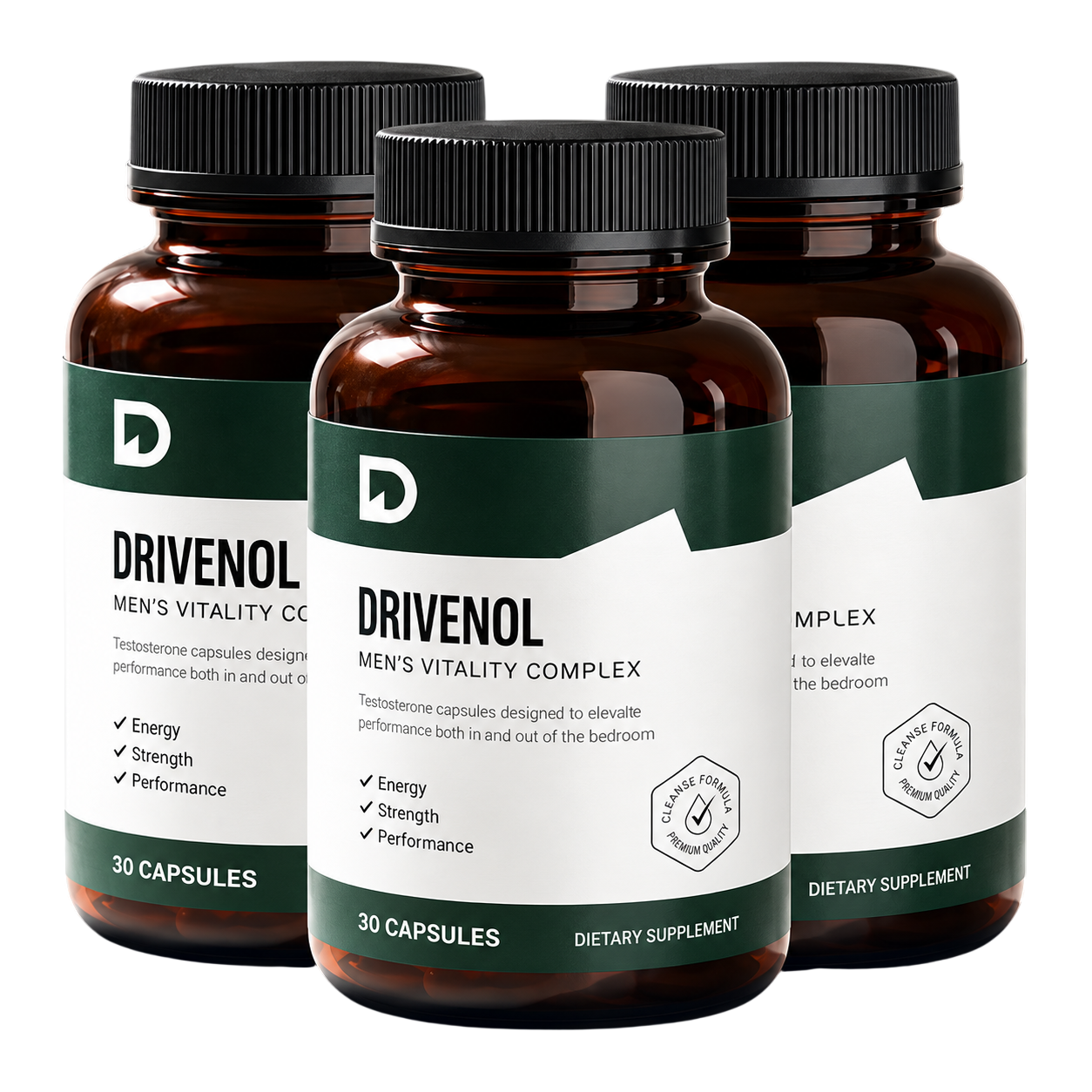
Drivenol contains Epimedium extract standardised for icariin as one of four ingredients, alongside Tongkat Ali, KSM-66 Ashwagandha and boron. We include it for its traditional role in this category, not on the strength of clinical trials, and we do not make claims for it that the evidence cannot carry.
What the evidence base looks like
| Type | Amount | Weight you should give it |
|---|---|---|
| Laboratory studies | Substantial | Hypothesis-generating only |
| Animal studies | Substantial | Frequently fails to translate to humans |
| Human trials | Very limited | Not enough to draw conclusions |
| Traditional use | Long history | Context, not proof |
Any seller quoting impressive percentages for this ingredient is almost always quoting animal or cell research. That is worth knowing before you decide.
Safety and who should avoid it
- People taking blood pressure medication or nitrates — speak to a GP first.
- People on blood thinners.
- Anyone with a heart condition.
- Anyone under 18, and women who are pregnant or breastfeeding.
- Reported effects at higher intakes include dry mouth, flushing and palpitations.
If erectile difficulties are the reason you are here
This is worth saying directly: erectile dysfunction is common, treatable and frequently an early sign of cardiovascular problems. A GP appointment gets you both effective treatment and a check of blood pressure, cholesterol and blood sugar. No supplement offers either.
Buying unlicensed 'ED pills' online is also where adulterated products show up most often, sometimes containing undeclared prescription drugs at unknown doses.
Common questions
Sources
Where this page refers to research, guidance or consumer rules, these are the references used. We link to the source so you can read it yourself.
This page is general information about food supplements and is not medical advice. Drivenol is a food supplement and is not intended to diagnose, treat, cure or prevent any disease. If you have a health concern, or you take prescription medication, speak to your GP or pharmacist.