
Evidence guide
How to increase testosterone naturally, in order of what actually works
We sell a supplement, and we have still put it at the bottom of this list — because that is where the evidence puts it. Start at the top.
1. Fix your sleep first
Testosterone is produced largely during sleep, and studies restricting healthy young men to around five hours a night have measured meaningful reductions within a week. If you are consistently short of sleep, nothing else on this list will compensate.
The unglamorous version: a consistent bedtime, a dark cool room, less alcohol in the evening, and a hard look at whether you snore heavily or wake unrefreshed — untreated sleep apnoea is common in men and strongly associated with low testosterone. It is treatable, and your GP can refer you.
2. Deal with excess body fat
Abdominal fat is metabolically active and is one of the strongest modifiable associations with lower testosterone in men. Weight loss in men who are overweight is consistently associated with improvement. You do not need an extreme diet — a sustainable deficit, adequate protein and enough activity to keep muscle on you will do it.
3. Lift something heavy, regularly
Resistance training two or three times a week supports muscle mass, insulin sensitivity and body composition. The acute hormonal spike after a session is not the point; the long-term change in what your body is made of is.
4. Moderate the alcohol
Heavy, regular drinking is associated with lower testosterone and worse sleep, which compounds the problem. The UK guideline is no more than 14 units a week, spread over three or more days. Cutting back is one of the more noticeable changes most men can make.
5. Correct genuine deficiencies
Vitamin D and zinc are both involved in hormone production. Correcting a real deficiency matters; adding more on top of sufficiency does not. The NHS advises everyone in the UK to consider a 10 microgram daily vitamin D supplement in autumn and winter. Zinc is widely available in meat, shellfish, pulses and seeds — a supplement is only worth it if your intake is genuinely low.
6. Manage chronic stress
Sustained stress raises cortisol, and persistently elevated cortisol is unhelpful for testosterone. This is the least tidy item on the list because "manage your stress" is easy to write and hard to do. Practically: protect your sleep, get outdoors, keep exercising, and deal with the actual source where you can.
7. Then, if you want, a supplement
Once the above is in reasonable shape, botanical supplements are a legitimate thing to experiment with. Tongkat Ali and ashwagandha have the most human research in this space; boron has early evidence. No food supplement in the UK may claim to raise testosterone, and none should be treated as a substitute for the six points above or for medical care.
When to stop reading and see a GP
Persistent fatigue, low mood, loss of morning erections, marked loss of muscle, or a clear drop in libido over months all warrant an appointment. Ask about a morning total testosterone test. If it comes back genuinely low, there are licensed treatments — and no capsule is one of them.
Common questions
This page is general information about food supplements and is not medical advice. Drivenol is a food supplement and is not intended to diagnose, treat, cure or prevent any disease. If you have a health concern, or you take prescription medication, speak to your GP or pharmacist.
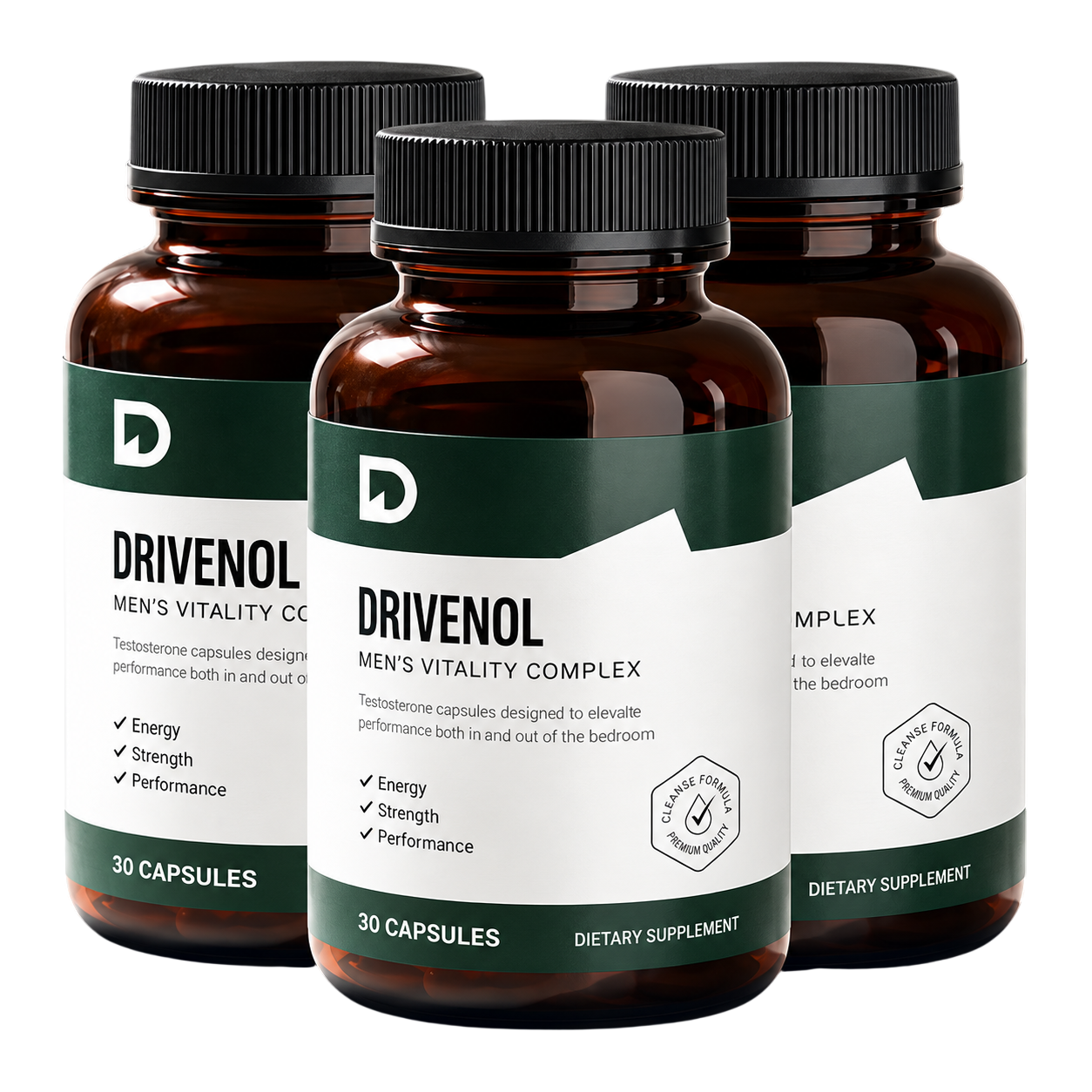
Got the basics covered? Drivenol is the next thing to try
One capsule a day. Free tracked UK delivery on the two and three bottle bundles, and a 30-day money-back guarantee on every order.
3 bottles £94.95 · £31.65 per bottle · free delivery