Quick answer
They are studied for different things. Ashwagandha, particularly the KSM-66 extract, has the larger evidence base and is mostly studied around stress and sleep. Tongkat Ali is studied more around male hormone measures and wellbeing. Neither is a medicine. Taken together they are complementary rather than duplicated, which is why blends often contain both.
The short version
If your main complaint is stress, tension and poor sleep, ashwagandha is the more directly studied option. If your interest is specifically male vitality and hormonal markers, Tongkat Ali is the ingredient with the research history in that area — with the caveat that its trials are smaller and less consistent.
In practice the two problems usually arrive together, which is why the pairing exists.
Side by side
- Origin: Tongkat Ali is a Southeast Asian root (Eurycoma longifolia); ashwagandha is an Ayurvedic root (Withania somnifera).
- Main research focus: Tongkat Ali — hormonal markers, fatigue, male reproductive health. Ashwagandha — perceived stress, cortisol, sleep, exercise recovery.
- Evidence weight: ashwagandha has more and larger placebo-controlled trials, especially of branded extracts such as KSM-66.
- Feel: Tongkat Ali is more often reported as activating; ashwagandha more often as calming.
- Timing: both are usually taken in the morning; ashwagandha is sometimes taken in the evening for sleep.
Can you take them together?
Yes, and most men's formulas do. There is no known interaction between the two, and their reported effects pull in complementary directions — one associated with drive, the other with keeping stress from eating it.
What you should not do is stack multiple products that each contain both and lose track of your total intake. Read the labels and count the ingredient, not the bottles.
Side effects compared
Both are usually described as well tolerated in short trials. Tongkat Ali's most common complaints are restlessness and disturbed sleep when taken late. Ashwagandha's are drowsiness, digestive upset and, rarely, reports of liver-related issues in case reports — which is why quality of extract matters for both.
Where Drivenol sits
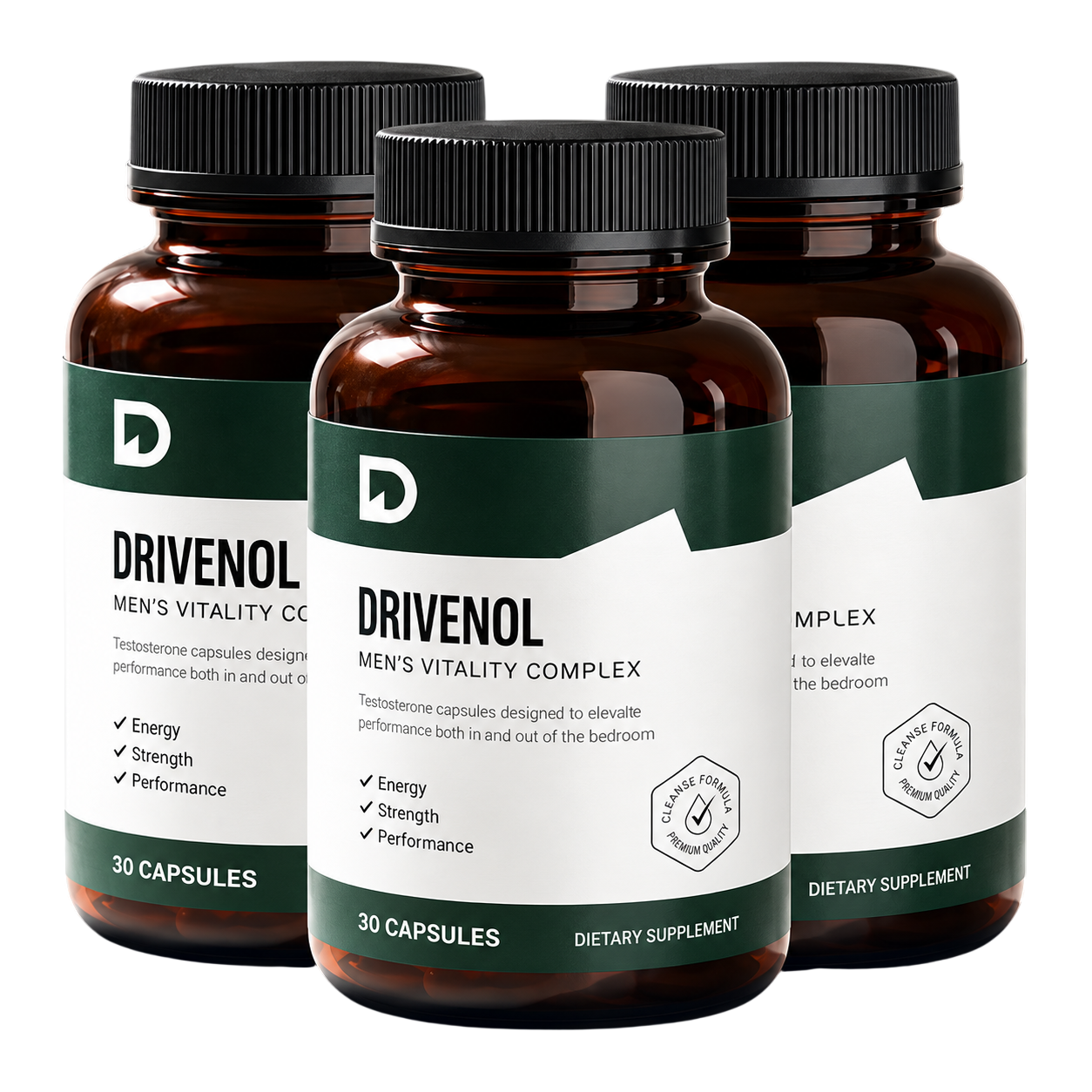
Drivenol contains both: Tongkat Ali root extract as the base and KSM-66 Ashwagandha, the most heavily researched ashwagandha extract available, alongside it — plus boron and Epimedium extract. One capsule a day rather than four separate bottles.
Side by side
| Tongkat Ali | Ashwagandha (KSM-66) | |
|---|---|---|
| Plant | Eurycoma longifolia root | Withania somnifera root |
| Most studied for | Male hormone measures, wellbeing | Stress markers, sleep quality |
| Typical study dose | 200–400mg standardised extract | 300–600mg standardised extract |
| Common timing | Morning | Morning or evening |
| Reported downside | Restlessness if taken late | Drowsiness, stomach upset |
| Evidence base | Smaller | Larger |
Which to pick if you only take one
- Sleep and stress are your main complaint: ashwagandha is the better-studied starting point.
- You are asking specifically about male hormone measures: Tongkat Ali is the ingredient more often studied there.
- You want both without two bottles: a blend that lists both with amounts.
- You take thyroid or sedative medication: check with a pharmacist before ashwagandha in particular.
Taking them together
There is no known reason they cannot be taken together, and formulas commonly combine them because their studied effects sit in different places. What matters is that a combined product still states each amount separately, so you know what you are taking rather than a blend total.
Do not run a blend alongside separate single-ingredient bottles of the same things. That is the easiest way to end up at a dose nobody has studied.
Common questions
Sources
Where this page refers to research, guidance or consumer rules, these are the references used. We link to the source so you can read it yourself.
This page is general information about food supplements and is not medical advice. Drivenol is a food supplement and is not intended to diagnose, treat, cure or prevent any disease. If you have a health concern, or you take prescription medication, speak to your GP or pharmacist.