Quick answer
KSM-66 is a specific branded ashwagandha root extract with a defined production method and standardisation. Generic 'ashwagandha' on a label could be root, leaf, powder or an unspecified extract. The difference is not magic — it is that KSM-66 tells you exactly what you are getting, and much of the published human research used it.
What 'standardised' actually means
A standardised extract is manufactured so that each batch contains a defined percentage of a marker compound — for ashwagandha, withanolides. Without standardisation, the active content of two bottles from the same brand can differ, because plant material differs.
This is why a study can be repeated with a branded extract but not really with generic powder: only one of them is a consistent input.
Root-only versus root and leaf
Traditional use, and most of the clinical research, is based on the root. Leaf material is cheaper and contains a different balance of compounds. Some products use root and leaf, or do not say. KSM-66 is a root-only extract, which keeps it aligned with the material the studies used.
KSM-66 versus other branded extracts
KSM-66 is not the only branded ashwagandha. Sensoril, for example, is a different extract using both root and leaf with a different withanolide profile and typically a lower daily dose. Neither is a fake — they are different materials with different research behind them.
The practical point is that a named branded extract lets you look up its research. 'Ashwagandha extract 500mg' does not.
Is the price difference worth it?
The cost gap between generic powder and a branded standardised extract is real but small in absolute terms — usually a few pounds a month at typical doses. Against the risk of buying material with unknown active content, most people find that trade worthwhile.
What is not worth paying for is a big number with no specification. A 1,000mg capsule of unstandardised powder is not better than 300mg of a standardised root extract.
What Drivenol uses
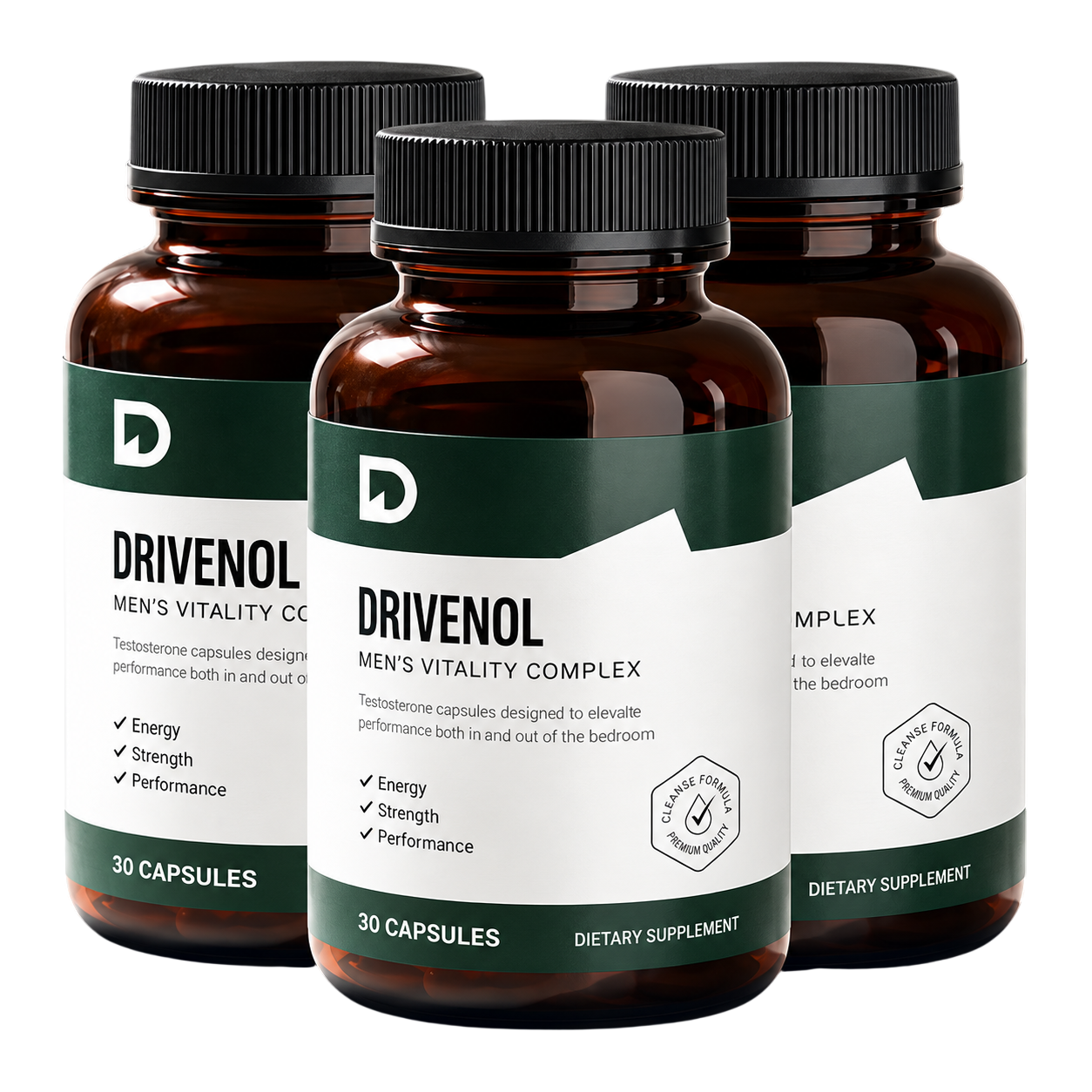
Drivenol uses KSM-66 Ashwagandha root extract, named on the label so you can check its research yourself, alongside Tongkat Ali root extract, boron and Epimedium extract in one daily capsule.
What the label difference means
| KSM-66 | Generic ashwagandha | |
|---|---|---|
| Plant part | Root only | Often unstated; may include leaf |
| Standardisation | Defined and consistent | Frequently unstated |
| Research use | Used in many published trials | Varies; may be untested material |
| Batch consistency | Controlled process | Depends entirely on the supplier |
| Price | Higher raw cost | Cheaper |
What to check on any ashwagandha product
- Withania somnifera named, with the plant part.
- The extract named — KSM-66, Sensoril or a stated standardisation.
- Milligrams per capsule and per daily serving.
- No hidden proprietary blend total.
- A seller who can tell you about batch testing.
Common questions
Sources
Where this page refers to research, guidance or consumer rules, these are the references used. We link to the source so you can read it yourself.
This page is general information about food supplements and is not medical advice. Drivenol is a food supplement and is not intended to diagnose, treat, cure or prevent any disease. If you have a health concern, or you take prescription medication, speak to your GP or pharmacist.