Quick answer
There is a reasonable body of small human trials on standardised Tongkat Ali root extract, mostly looking at stress markers, wellbeing, and hormone measures in men with low baseline levels. Results are mixed, sample sizes are small, and it is not a licensed medicine — no seller may lawfully claim it treats a condition. It is best thought of as one small variable alongside sleep, training, alcohol and body composition, which matter far more.
What has been studied
Eurycoma longifolia has been examined in randomised and observational human studies covering hormonal markers, perceived stress and mood, fatigue, physical performance, and aspects of male reproductive health. That is a broader base than most botanicals in this category can point to.
The picture across those studies is uneven. Some report measurable change on some outcomes; others find no significant difference against placebo. Systematic reviews consistently make the same two criticisms: sample sizes are small, and the extracts used vary so much that pooling results is difficult.
Where we stand, before you read on
We sell a supplement that contains Tongkat Ali, so you should read this page knowing we have an interest. That is exactly why it is written the way it is: the trials are mixed, we are not going to pretend otherwise, and the 30-day guarantee exists because we cannot promise you a result.
What that means for you
If you try it, treat it as an experiment with an unknown result. Give it at least a month, ideally three, take it consistently, and judge it on how you actually feel rather than on what a marketing page told you to expect.
Some people notice something. Some notice nothing. Both outcomes are consistent with the research, which is exactly why a money-back guarantee matters more than a bold claim.
What it definitely does not do
It is not testosterone replacement therapy. It is not a medicine. It will not compensate for chronic poor sleep, heavy drinking, or being sedentary — those have far larger and better-evidenced effects on how men in their 40s and 50s feel than any capsule.
What the research does and does not cover
| Area | Evidence base | Honest reading |
|---|---|---|
| Stress markers and mood | Several small trials | The more consistently studied area |
| Hormone measures | Mixed; often in men with low baselines | Not a substitute for medical treatment |
| Exercise performance | Small and inconsistent | No firm conclusion |
| Body composition | Limited | Weak |
| Long-term outcomes | Very little | Unknown |
Why study results disagree so often
- Different extracts. A water-based standardised extract, an ethanol extract and a raw powder are not the same input.
- Small samples. Twenty or thirty participants cannot settle a question.
- Different populations — young athletes versus older men with low baselines.
- Short durations, often four to twelve weeks.
- Noisy outcome measures, including self-reported questionnaires.
- Publication bias: positive results get written up more often than null ones.
None of that makes the research worthless. It means the honest summary is 'promising and incomplete', not 'proven'.
How long before you notice anything
Nothing meaningful happens in the first few days. If you feel a jolt on day two, that is expectation, caffeine or a good night's sleep — not a root extract.
| Timeframe | What is realistic |
|---|---|
| Week 1-2 | Nothing to notice. You are just building consistency. |
| Week 2-4 | Some men report small changes in drive or day-to-day energy. Many report nothing. |
| Week 4-8 | The point at which most trials that report change are measuring it. |
| Week 8-12 | A fair test. If nothing has shifted by now, it is probably not going to. |
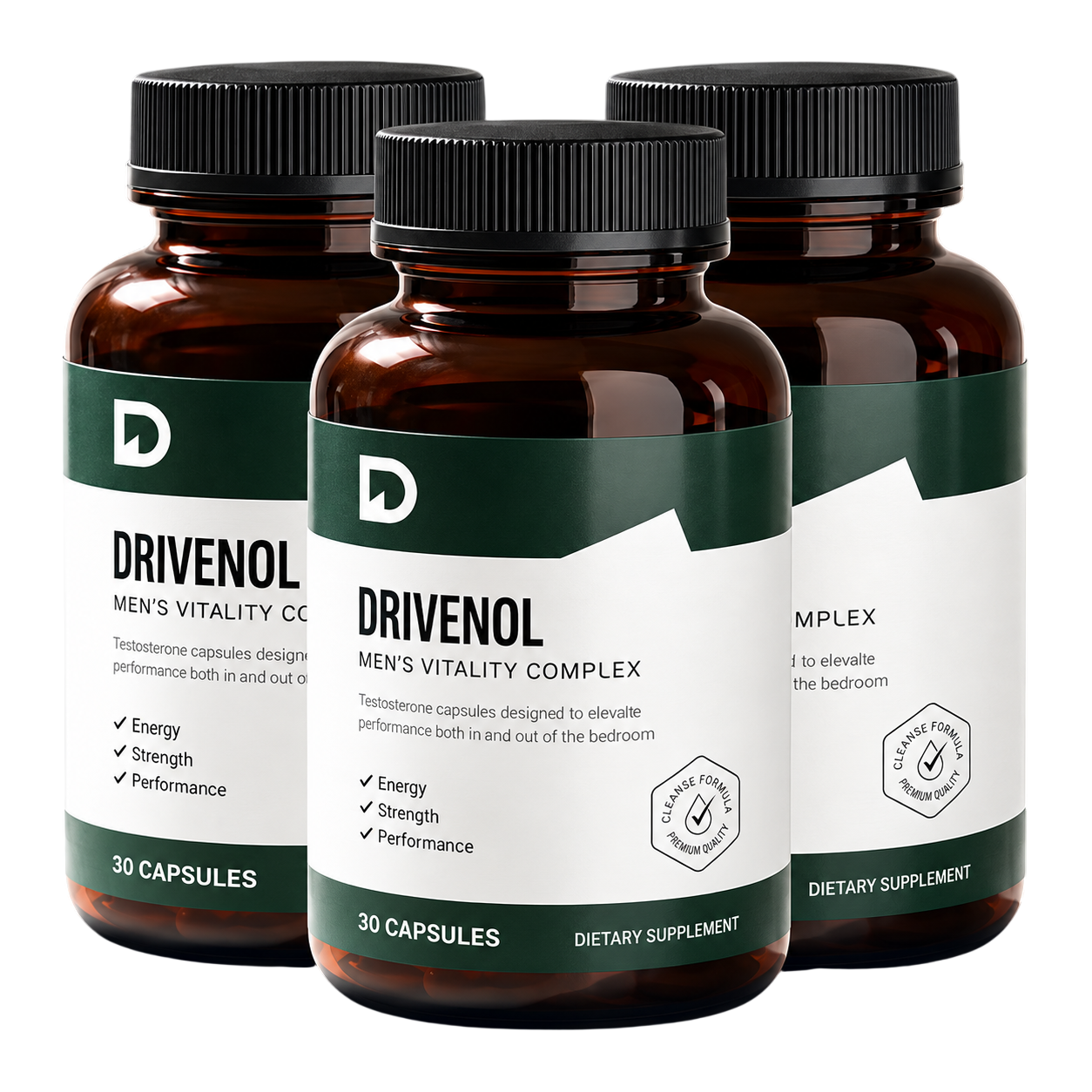
That is why we sell two and three bottle bundles: one bottle is 30 days, which is the minimum honest trial, not the ideal one.
Who it is most and least likely to help
- Most likely: men over 35 with poor drive or flat energy who already sleep reasonably and train, and want one extra variable.
- Possible: stressed men whose sleep and workload are the real problem — ashwagandha in the same formula is the more relevant ingredient there.
- Least likely: men who already feel good, or young men with no symptoms. There is little room for a small variable to show.
- Not appropriate: anyone with symptoms that worry them. That is a GP conversation and a blood test, not a supplement.
Forms and stacks: extract, powder, coffee and Fadogia
Almost all the human research uses a standardised root extract at a specified daily amount. Loose root powder, tea and 'Tongkat coffee' are not the same thing — the amount of active material is usually unknown and often far lower, so you cannot read the trial results across to them.
Tongkat Ali is often stacked with Fadogia agrestis online. We do not use Fadogia and would not suggest it: the human safety evidence is not there, and animal work has raised organ-safety questions. An ingredient with no human safety data has no place in a daily supplement.
Does it work for women?
A small amount of research has looked at Tongkat Ali in women, mostly around wellbeing and body composition, and it is too thin to draw conclusions from. Drivenol is formulated for men and we do not market it to women. Anyone pregnant, breastfeeding, or taking prescribed medication should speak to a pharmacist or GP before taking any supplement.
What would make it more likely to help you
Honestly: a properly specified extract, taken consistently for at least eight weeks, on top of sleep of seven hours or more, resistance training a couple of times a week, moderate alcohol and a body weight that is not drifting upwards. Those foundations are not marketing filler — in the research they consistently do more than any supplement ingredient.
If those are already in place and you want to add one thing, that is a rational place for a supplement. If they are not, fix them first and save the money.
Common questions
Sources
Where this page refers to research, guidance or consumer rules, these are the references used. We link to the source so you can read it yourself.
This page is general information about food supplements and is not medical advice. Drivenol is a food supplement and is not intended to diagnose, treat, cure or prevent any disease. If you have a health concern, or you take prescription medication, speak to your GP or pharmacist.